
American postwar abstraction is an important artistic movement that appeared in the United States after World War II.
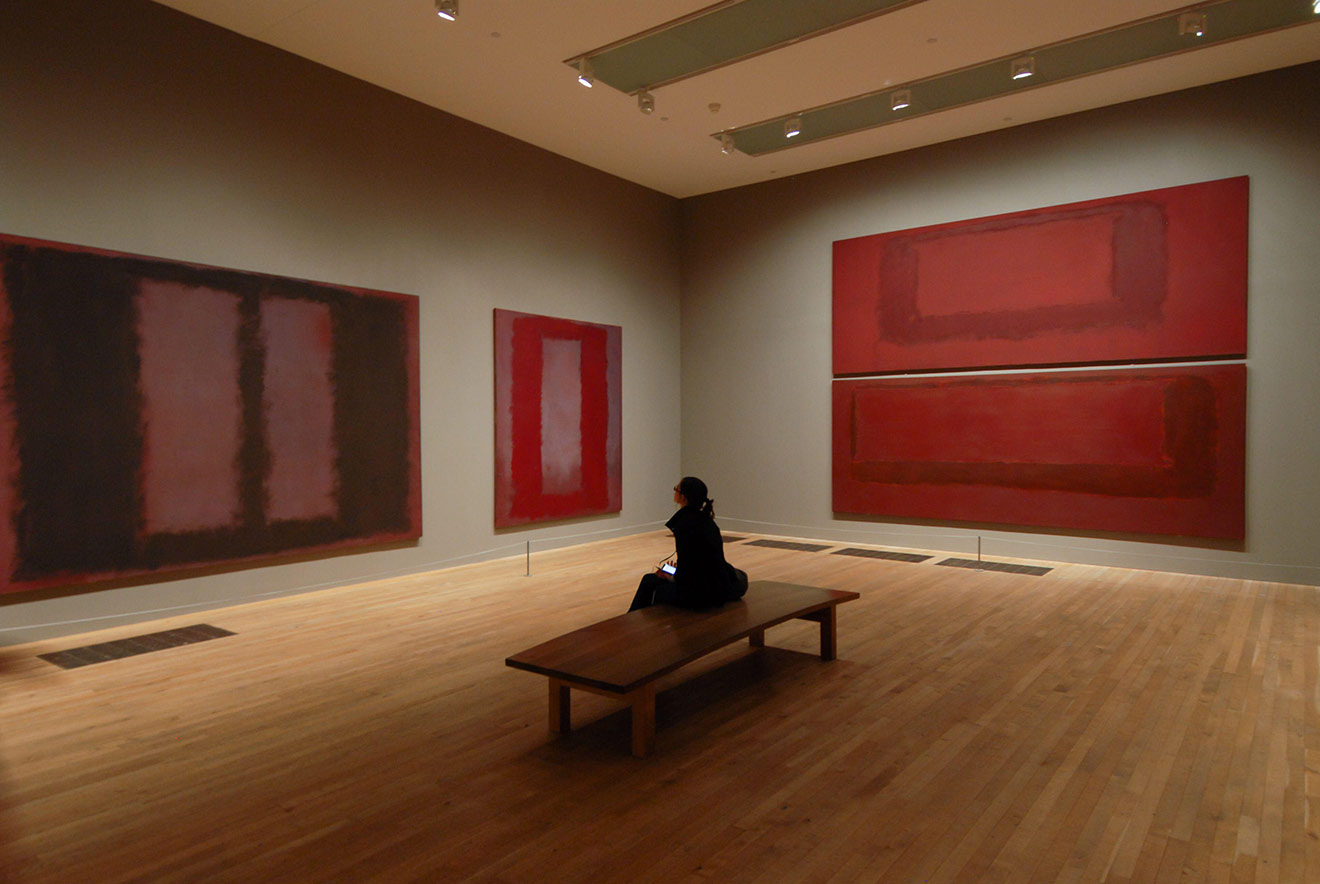
The Seagram Murals by Mark Rothko at Tate Modern, London
It is usually connected with Abstract Expressionism and describes a new way of painting that focuses on emotions, gesture and the inner state of the artist instead of realistic images. Artists tried to create a direct connection between their feelings and the canvas, often working in a spontaneous and intuitive way.
This movement became a symbol of artistic freedom, individuality and a break from traditional European art traditions.

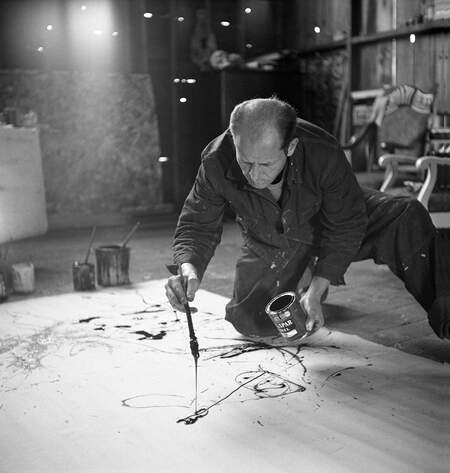
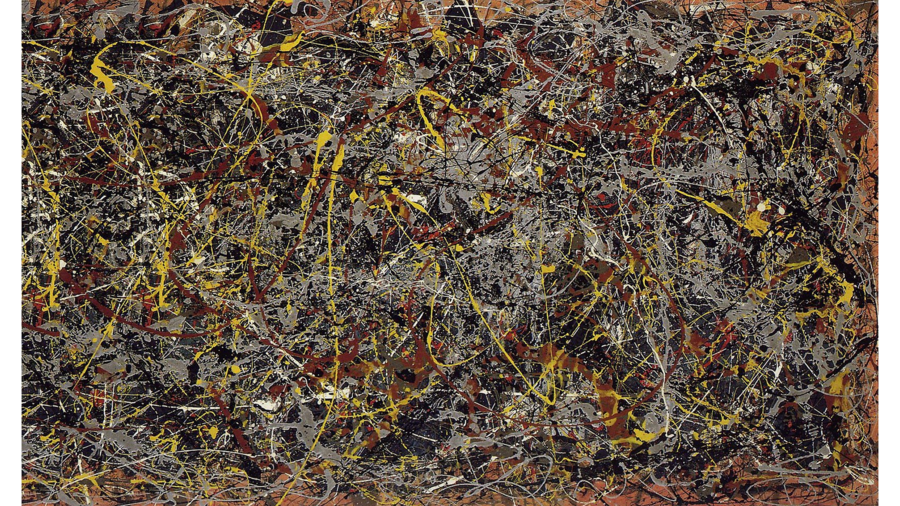
left: Jackson Pollock / right: No. 5, 1948 by Jackson Pollock
One of the most famous examples abstraction is No. 5, 1948 by Jackson Pollock. In this work, Pollock used his «drip technique», creating complex and energetic compositions, that do not have a clear center or structure.
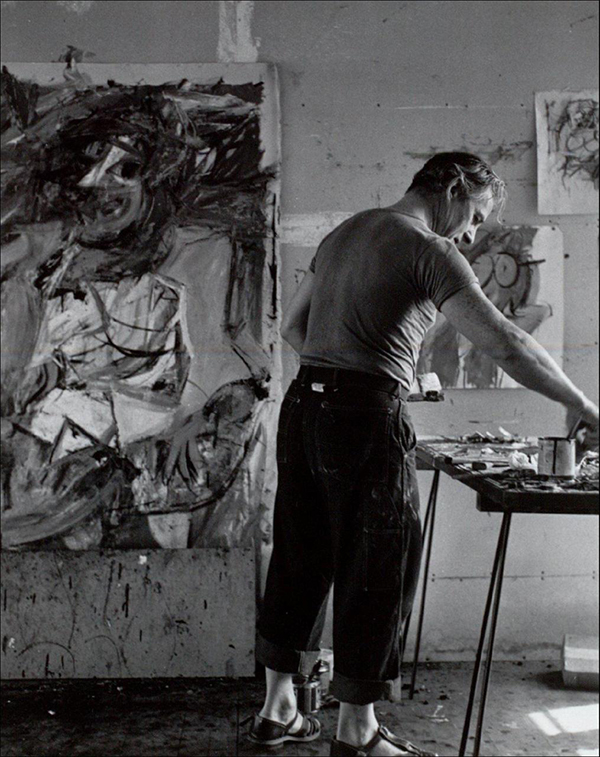
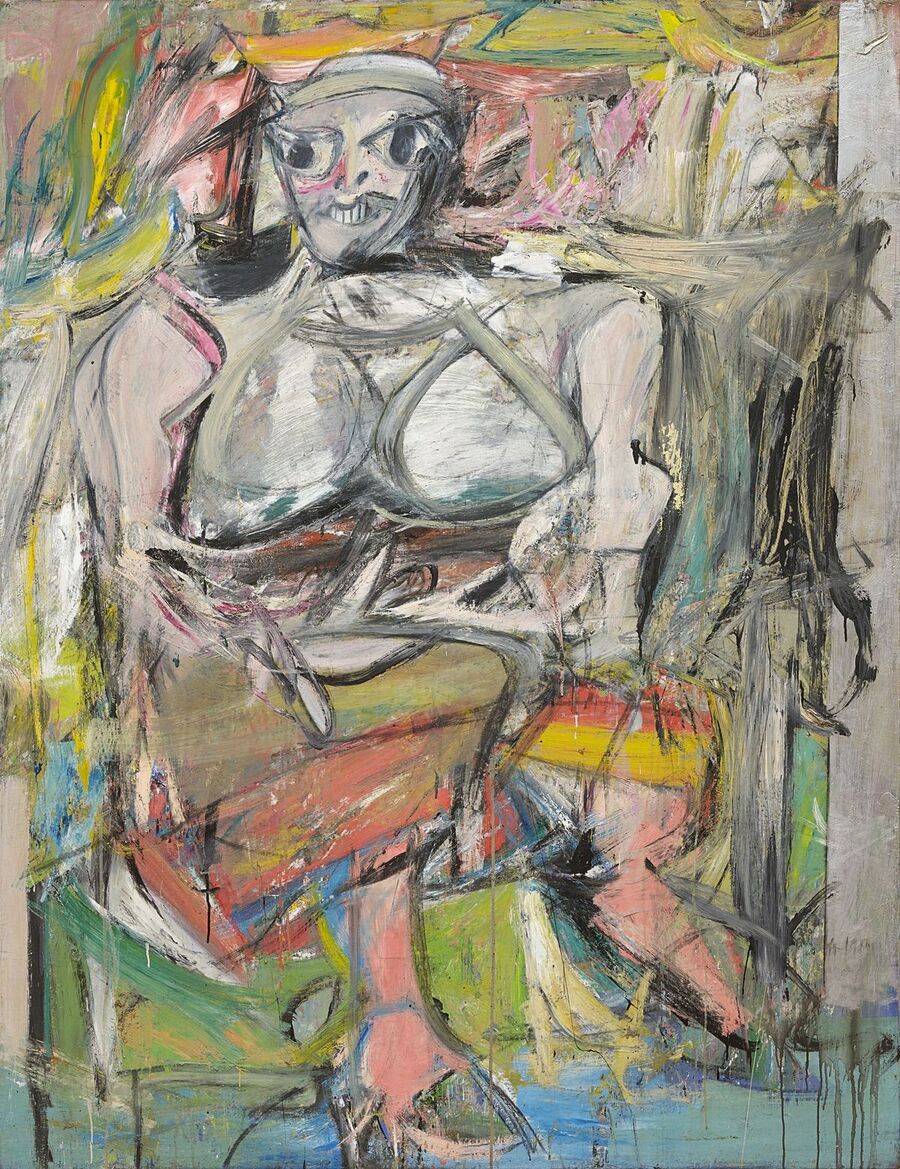
left: Willem de Kooning / right: Woman I by Willem de Kooning, 1950 — 1952
Another important artwork is Woman I by Willem de Kooning, where abstraction is combined with a distorted human figure, showing tension and movement.
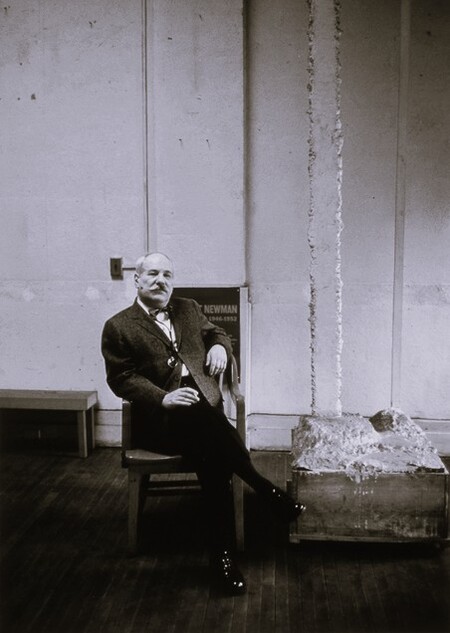
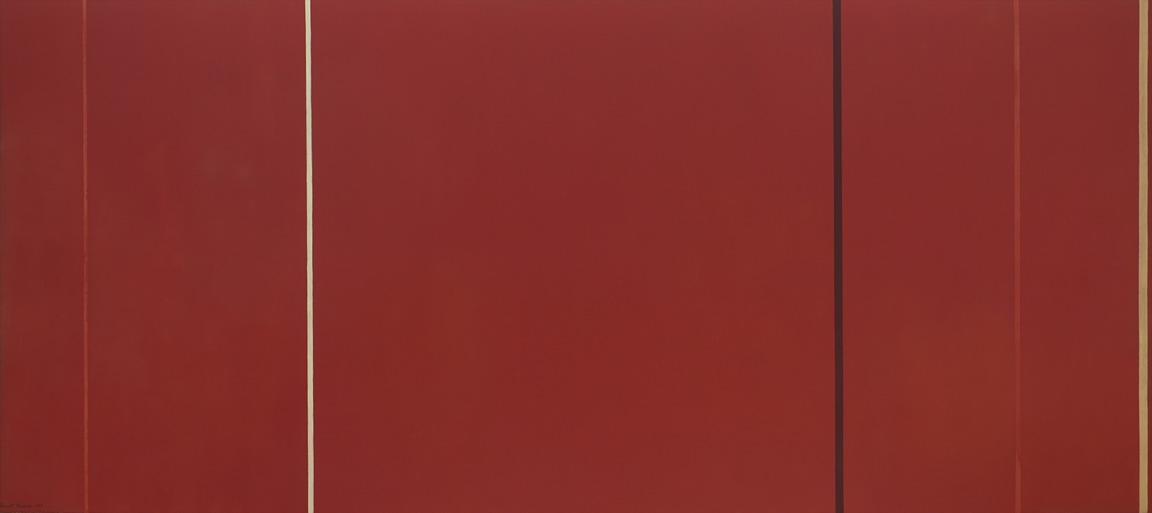
left: Barnett Newman / right: Vir Heroicus Sublimis by Barnett Newman, 1950–1951
Also, Vir Heroicus Sublimis by Barnett Newman presents large areas of color and minimal elements, focusing on scale and the emotional experience of the viewer.
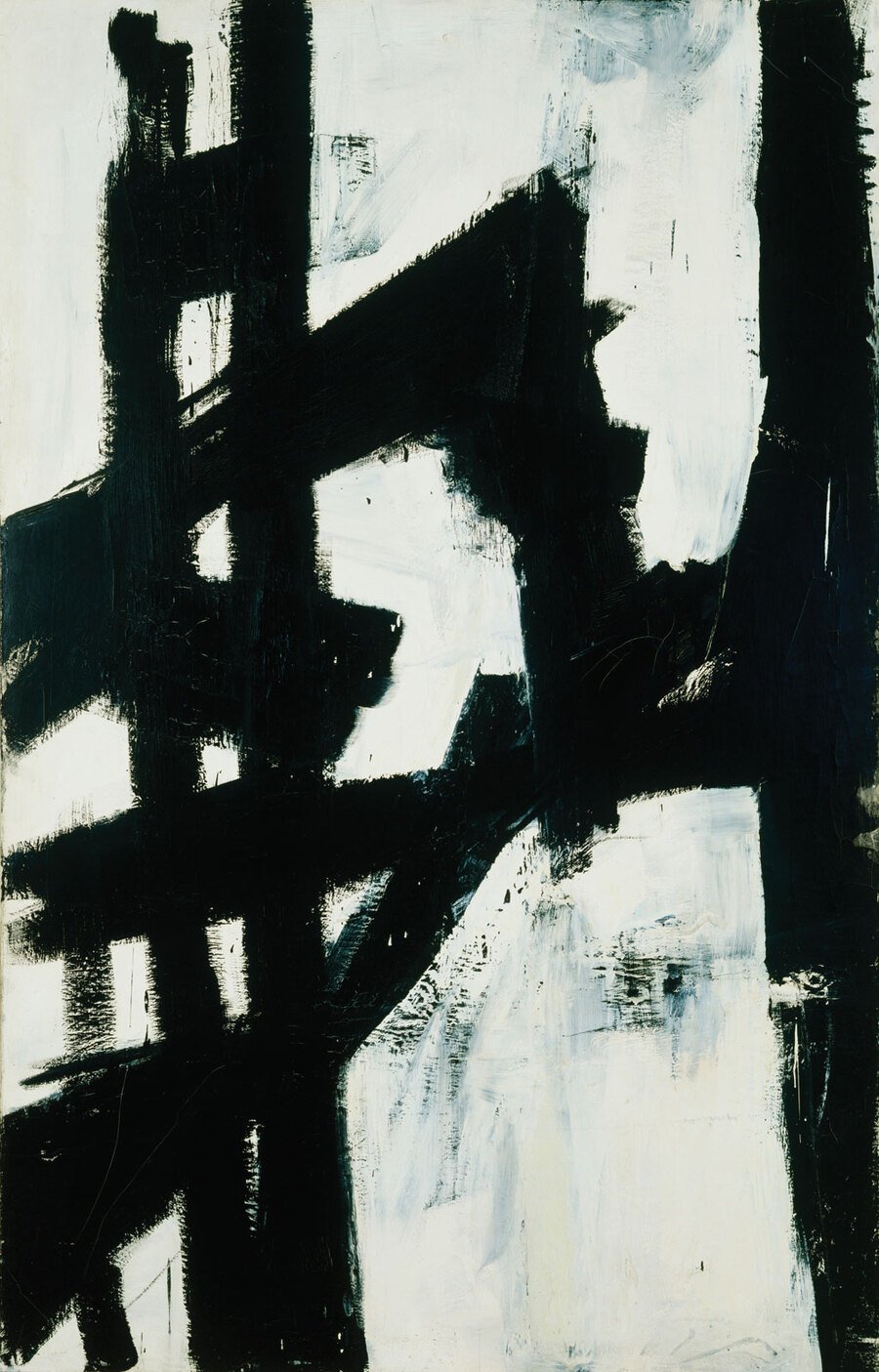
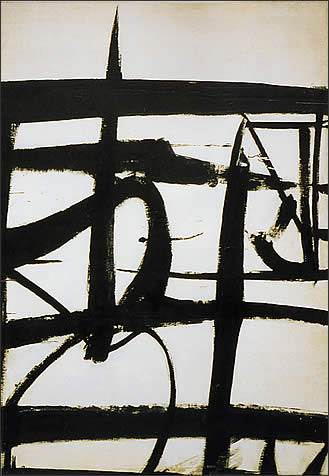
left: New York, N.Y., 1953 / right: Cardinal, 1950 by Franz Kline
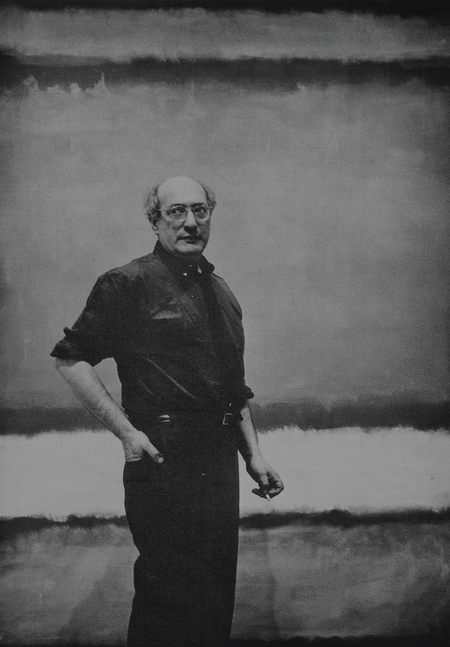
The main artists of this movement include Franz Kline, Robert Motherwell, Clyfford Still, as well as Mark Rothko, who created soft color fields that produce a meditative and emotional effect.
left: Violet, Black, Orange, Yellow on White and Red, 1949 / center: Red, Orange, Tan and Purple 1954 / right: No. 16 (Red, White, and Brown), 1957 by Mark Rothko
Their works often invite the viewer to feel rather than to understand logically. These artists used large canvases, unusual techniques and emphasized the importance of the creative process.
left: Beside the Sea No. 15, 1962 / center: Beside the Sea No. 45, 1967 / right: Beside the Sea, 1966 by Robert Motherwell
Theoretical ideas also played a key role in the development of this movement.
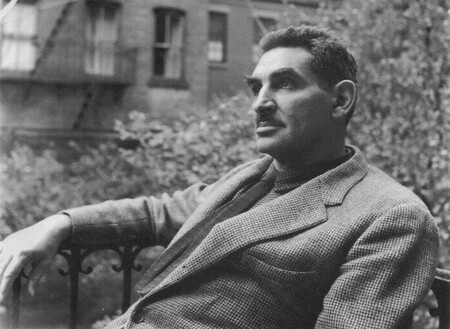
Harold Rosenberg, a poet and art critic, wrote in his 1940 essay «The Fall of Paris» that the city had been «the International of culture» — a dream-like «No-Time and No-Place» where artists from all countries could work together. But because of fascism and war, this dream ended, and Rosenberg argued that the center of modern art moved to New York.
Photo of Harold Rosenberg
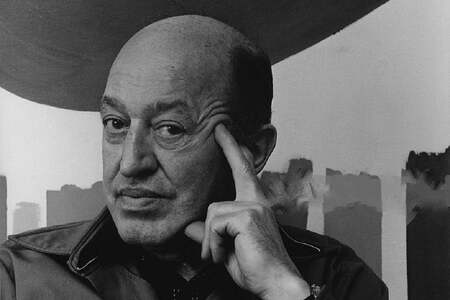
Clement Greenberg, a powerful American art critic who supported abstract art, wrote an essay «Avant-Garde and Kitsch», where he says that avant-garde art is important because it keeps culture alive. He uses a special phrase "the imitation of imitating», which means that abstract artists do not copy real life, but they copy the process of making art itself. So they focus only on colors, shapes and flat canvas, not on people or nature.
Photo of Clement Greenberg
American postwar abstraction was influenced by European modernism, especially Surrealism, as well as by the psychological impact of war and the crisis of traditional values.
left: 1947-S 1 947 / center: 1949-A-No.1, 1949 / right: 1947-Y-No. 2, 1947 by Clyfford Still
It later influenced movements such as Minimalism and Post-Painterly abstraction, and changed how artists understand authorship and personal expression in contemporary art.